
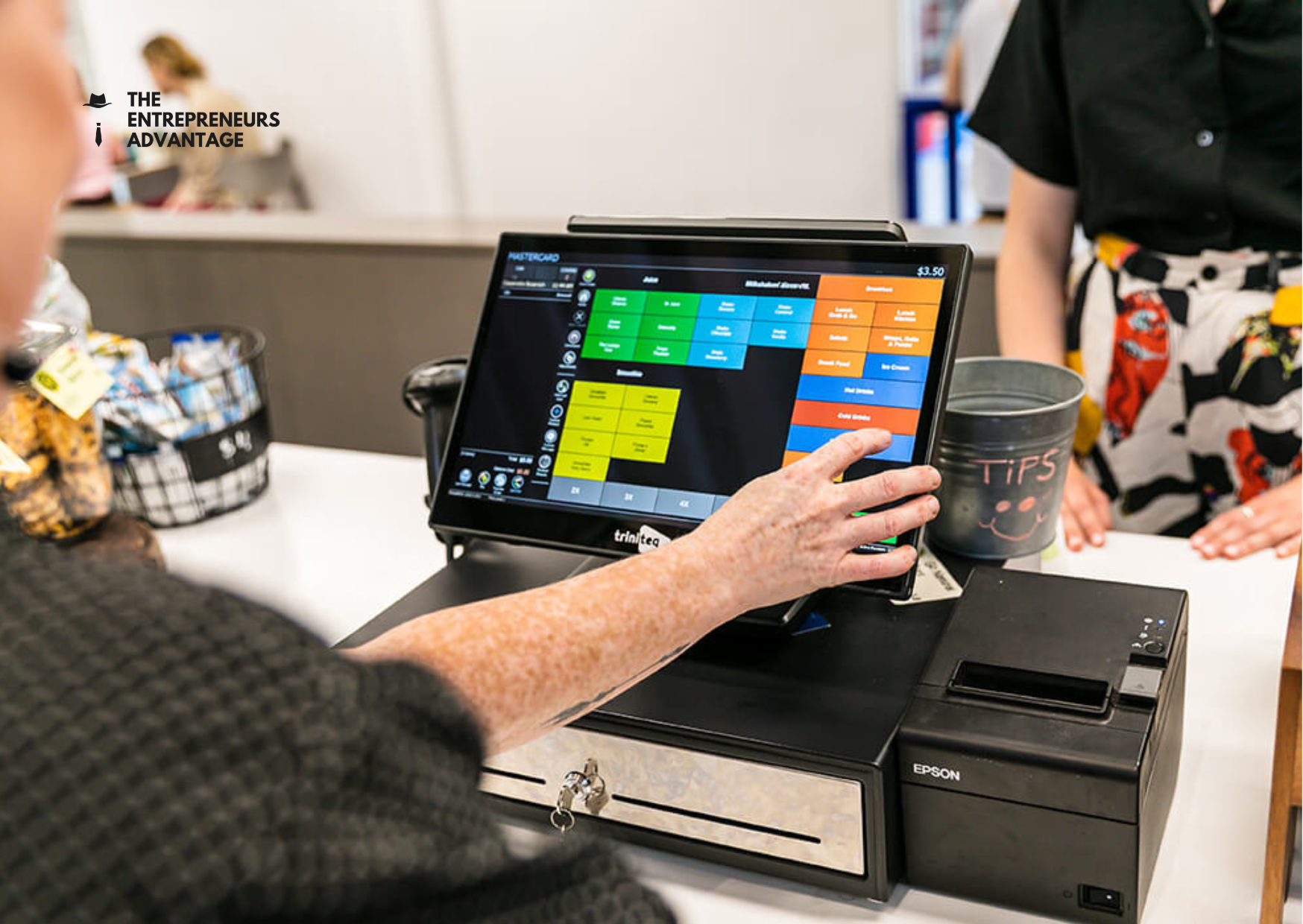
A new POS system can transform how your restaurant operates—but only if your team knows how to use it. Too many restaurants invest in modern technology like Toast POS, only to see adoption rates plummet because staff weren’t properly trained. The result? Staff frustration, slower service, operational chaos, and wasted investment.
The difference between a successful POS implementation and a failed one often comes down to one thing: a solid training plan.
Why POS Training Matters More Than You Think
Your POS system touches every part of your restaurant—front of house, back of house, inventory, payments, and reporting. If servers don’t know how to ring in orders correctly, kitchen staff can’t read tickets clearly, and managers can’t run reports, your entire operation suffers.
Poor POS training leads to:
- Slower order entry and longer ticket times
- Incorrect orders and high remake costs
- Frustrated customers complaining about wait times
- Staff confusion about how to use features
- Managers spending time troubleshooting instead of managing
- Underutilization of features you’re paying for
- High turnover as staff resist change
A well-trained team, on the other hand, processes orders faster, reduces errors, and immediately sees the value in the system. This drives adoption and makes your investment pay off quickly.
Create a Training Plan Before Your System Goes Live
The biggest mistake restaurants make is waiting until go-live day to think about training. By then, it’s too late.
Start planning training 2-3 weeks before implementation. Work with your POS vendor (like Toast) to understand their training resources. Most providers offer comprehensive onboarding, online training modules, and on-site support during launch week.
Identify training champions. Pick 2-3 team members who are tech-comfortable and willing to learn the system deeply. These people will become your internal trainers and problem-solvers during the transition. They’ll handle day-to-day questions so managers can focus on operations.
Document your specific workflow. Every restaurant is different. Create written guides for your restaurant’s specific menu structure, pricing, modifiers, and procedures. This is especially important for features unique to your business—how you handle special requests, comps, promotions, or split checks.
Structured Training Strategy
Phase 1: Classroom Training (Before Go-Live)
Conduct group training sessions for each role: servers, bartenders, kitchen staff, cashiers, and managers. Each group needs different focus areas.
- Servers need to know: How to ring in orders, modify items, process payments, and handle common scenarios (special requests, voids, comps).
- Kitchen staff need to know: How to read the Kitchen Display System (KDS), mark items complete, and handle modifications.
- Managers need to know: How to run reports, manage staff, handle refunds, and troubleshoot issues.
- Bartenders need role-specific training on drink ordering, bar tabs, and happy hour programming.
Keep training sessions short (20-30 minutes) and hands-on. Let people practice on the actual system rather than just watching a demo.
Phase 2: Hands-On Practice (Launch Week)
During your first week, run the system in parallel with your old system if possible. This reduces pressure and lets staff practice without crashing service.
Have your training champions and a representative from your POS vendor (Toast provides this support) on-site during shifts. Staff will have immediate access to help and won’t feel abandoned when they get stuck.
Phase 3: Ongoing Support (Weeks 2-4)
After launch week, problems will still arise. Create a simple process for handling questions: staff text or call one of your training champions who can walk them through it. Schedule brief follow-up training sessions to address common issues as they come up.
Common Training Mistakes to Avoid
Rushing the process. Don’t implement and expect everyone to figure it out. Budget time for proper training.
One-size-fits-all training. Servers need different training than kitchen staff. Tailor content to each role.
Training once and moving on. New staff will come in after launch. Build simple, documented training processes for onboarding new hires.
Ignoring advanced features. Train on the basics first, but don’t forget about inventory management, analytics, and reporting features that could save you time and money.
Not celebrating early wins. When staff see order times drop or mistakes decrease, point it out. Positive reinforcement drives adoption.
Make Training Part of Your Culture
The best restaurants treat POS training as ongoing, not one-time. Your system has features you’re not using yet. Regular brief training sessions keep your team sharp and help them discover time-saving shortcuts.
Toast offers extensive training resources, including online modules, webinars, and dedicated support. Leverage these tools alongside your internal champions.
The Entrepreneurs Advantage specializes in Toast POS implementation and staff training. We create customized training plans, conduct on-site training for your team, and provide ongoing support to ensure your restaurant maximizes its technology investment. Contact us today to get your team trained and ready to succeed with your new POS system.
0 Comments