
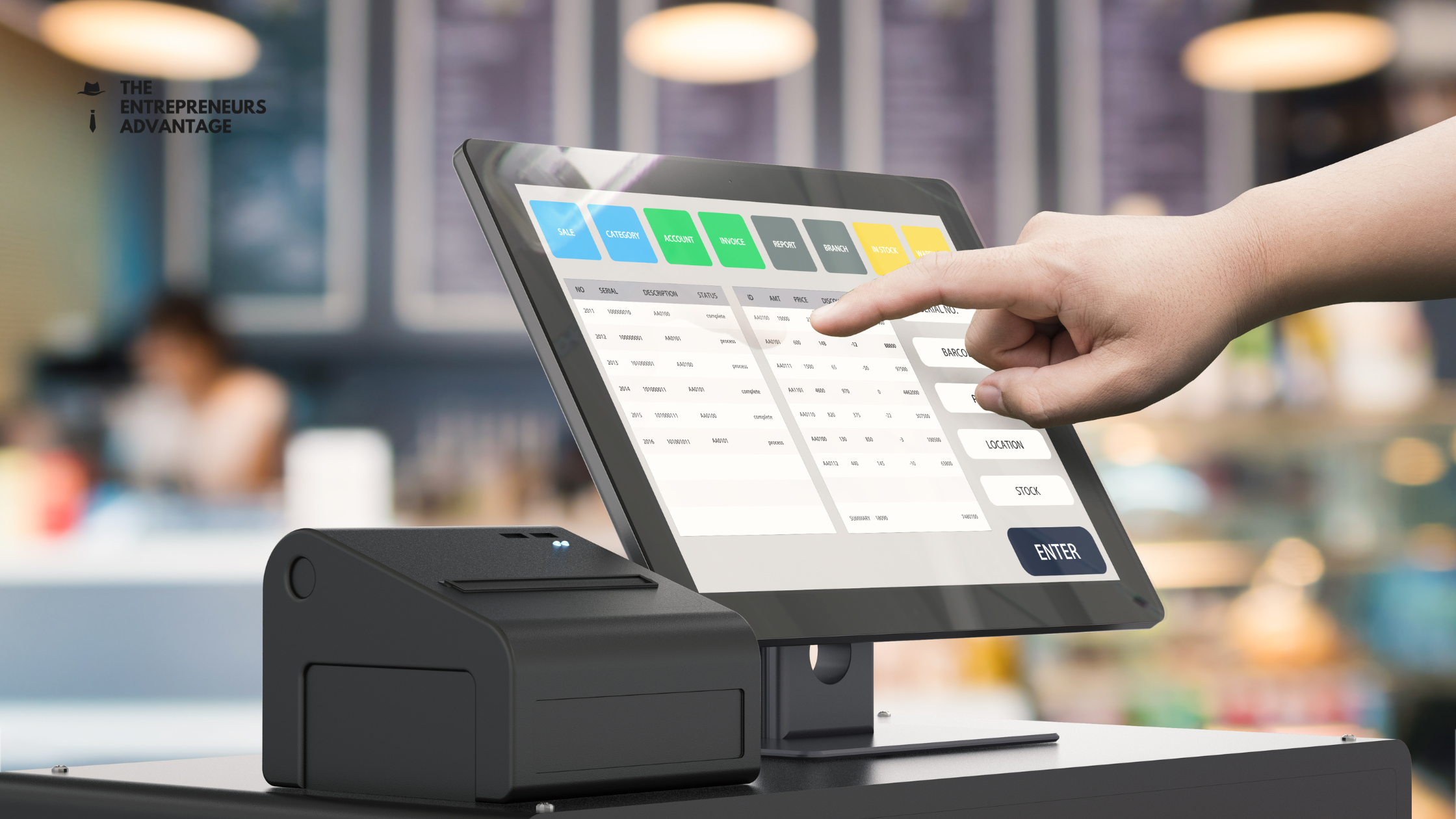
Running a restaurant is fast-paced, demanding, and highly competitive. Between managing orders, handling payments, tracking inventory, and keeping customers happy, restaurant owners need technology that makes operations smoother instead of more complicated. That is where a restaurant POS system becomes essential.
A Point of Sale (POS) system is more than a cash register. Modern POS solutions help restaurants manage everything from kitchen communication and online ordering to employee scheduling and customer loyalty programs. However, not every restaurant needs the same type of POS system. The best solution depends on your restaurant type, service style, and long-term business goals.
Why Your Restaurant Needs the Right POS System
The right POS system helps reduce errors, improve service speed, and create a better dining experience for customers. Modern systems can instantly send orders to the kitchen, track inventory in real time, and generate detailed sales reports. Many restaurant owners also use POS platforms to manage online orders, delivery services, and customer loyalty programs.
A poorly chosen system, on the other hand, can slow down service, frustrate employees, and cost your business money during busy hours.
Choosing a POS System Based on Restaurant Type
Fine Dining Restaurants
Fine dining establishments require advanced table management and guest experience tools. Restaurants in this category should look for features like table-side ordering, reservation management, coursing options, split checks, and wine pairing notes.
Fine dining POS systems should also allow servers to personalize guest experiences by tracking customer preferences, allergies, and dining history. Since customer experience is everything in upscale dining, speed and accuracy are critical.
Important features for fine dining restaurants include:
- Table management
- Reservation integration
- Course and firing options
- Tableside payment processing
- Customer preference tracking
- Detailed reporting
Quick-Service Restaurants (QSRs)
Quick-service restaurants need speed above everything else. Long lines and slow order processing can negatively impact customer satisfaction and revenue. QSRs benefit most from POS systems designed for fast order entry, kitchen display systems, mobile ordering, and self-service kiosks.
A strong quick-service POS should also integrate with online ordering and delivery apps to handle increasing digital demand.
Key features for QSRs include:
- Fast order processing
- Kitchen display systems
- Mobile and online ordering
- Self-service kiosks
- Customer-facing displays
- Drive-thru support
Cafés and Coffee Shops
Small cafés and coffee shops usually need simple but efficient systems. Ease of use is especially important because employees often work in fast-moving environments with minimal training time. A good café POS system should support quick transactions, digital tipping, loyalty rewards, and mobile payments.
Inventory tracking is also helpful for monitoring ingredients and reducing waste. According to recent industry insights, many small restaurants prefer affordable systems with only one or two terminals and simple setup processes.
Food Trucks
Food trucks require mobile-friendly POS systems that can work reliably in different locations. Cloud-based systems are ideal because they allow owners to track sales and inventory remotely. Food truck operators should also prioritize offline payment support in case internet connectivity becomes unstable.
Compact hardware, mobile card readers, and easy menu updates are also important features for food truck businesses.
Important Features to Look For
No matter what type of restaurant you own, certain features are essential when choosing a POS system.
Ease of Use
Restaurant environments are busy and stressful. Employees need a system that is simple to learn and quick to operate during rush hours. A complicated interface can slow service and create costly mistakes.
Inventory Management
Modern POS systems help track ingredients automatically as dishes are sold. This reduces food waste and prevents inventory shortages during busy shifts.
Reporting and Analytics
Sales reports, labor costs, and customer trends help restaurant owners make smarter business decisions. A good POS system should provide real-time insights that are easy to understand.
Online Ordering Integration
Online ordering has become a major revenue source for restaurants. Your POS system should integrate smoothly with delivery apps and online ordering platforms.
Scalability
Your restaurant may grow in the future. Choosing a scalable POS system ensures you can add locations, terminals, and advanced features without changing platforms later.
Final Thoughts
The best restaurant POS system is the one that matches your restaurant’s unique needs. Fine dining restaurants need advanced guest management tools, while quick-service restaurants prioritize speed and efficiency. Cafés and food trucks often benefit from simple, affordable, and mobile-friendly systems.
Before making a decision, focus on usability, integrations, reporting, inventory management, and scalability. Investing in the right POS system today can improve operations, increase customer satisfaction, and support long-term business growth. Ready to simplify operations and grow your restaurant faster? Explore smart business solutions with The Entrepreneurs Advantage today.
0 Comments